Agency Minder® Episode 006 Tony DeStefano
The Agency Minder Mind Your Business podcast is for business leaders who have agency over their business, and are looking for ways to improve the business relationships between their external third-parties and their own employees.
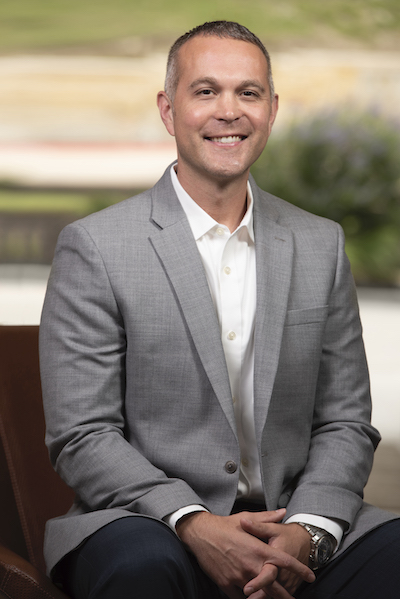
In this episode Manny Bartolini, Founder & CEO of Agency Minder chats with Tony DeStefano, VP of Human Resources for Flintco. Tony shares his thoughts on the benefits of transparency. He also shares his perspective on why we all need to be really good listeners.
You can reach Tony at http://linkedin.com/in/tdestefano or via Flintco’s website at https://flintco.com/about/people/tony-destefano/.
Learn more about Agency Minder at www.agencyminder.com or follow us on LinkedIn.

Podcast: Play in new window | Download (Duration: 30:13 — 59.1MB)
Transcript
Read the transcript
This transcript has been lightly edited for readability.
Manny Bartolini: Hey, everybody! This is Manny Bartolini, CEO and founder of Agency Minder. This is episode six of our Mind Your Business podcast. Today, we're going to talk with Tony DeStefano, VP of Human Resources at Flintco. He's going to talk with us about transparency and how he believes that being more upfront can yield better results for your enterprise. And he also shares with us his thoughts on why it's so important that we be really good listeners. So, with that, let's go talk with Tony. How you doing, Tony?
Tony DeStefano: Good. Good. Glad to finally be out here, man. We've talked about it all the time, but good to finally jump on a podcast with you.
Manny Bartolini: Well, I'm super glad that you're making time for us. I know you're a busy man, so anytime I can get somebody like yourself to join me on here, it's always a huge pleasure for me. So, thank you for being here. So, before we dive into a discussion about professional relationships, if some of the listeners at the end of this call want to reach out to you, what are the best ways for them to reach out to you?
Tony DeStefano: Well, the best professional connections for me is on LinkedIn. And so, if you search for Tony DeStefano on LinkedIn, you'll find me there. But I'm also involved with our website for Flintco. So, if you go to Flintco.com and look at the leadership team, you'll find me there, and there's ways to connect and contact me through our website.
Manny Bartolini: Awesome! And what I'll do in the show notes, both on our podcast as well as within the show notes for Apple Podcasts and iHeart, we'll make sure to have your LinkedIn contacts and the website for Flintco.com. So, tell our listeners a little about you as a person, and what kind of things matter most to you.
Tony DeStefano: Well, I think I've got kind of a unique background in the role that I'm in. I came up and went to school for engineering and did that through ROTC scholarship, so spent some time in the army, which is why you and I have a pretty good connection outside of work. Spent some time in the military, and then got out, went into private industry in a construction organization as an engineer. And the biggest thing for me, from a personal standpoint, has been trying to provide for my family and making sure that they're taken care of.
So, was fortunate to be in an organization where there were some opportunities to do that with an international construction company, moved around quite a bit and ended up down in Texas, where I'm at now, and working with Flintco.
Manny Bartolini: So, can you tell us a little bit about the types of business relationships you manage?
Tony DeStefano: Yeah, so there's a couple different ones that I get involved in. If you think about the HR function, a lot of times companies outsource a lot of the things that we do, whether it's payroll, whether it's benefits, whether it's 401(k) administration. So, we don't outsource everything at Flintco, but we do lean on those who are experts in those fields to help us out. So, whether it's our 401(k) administrator, we leverage a third-party consultant to help us manage that, keep us in compliance. Whether it's a third-party broker to help us go out and help us get the best rates that we can for our health insurance plans, or whether it's just a recruiter, a headhunter, they'll help us go out and secure talent in the workforce.
We have those relationships with different vendors, and we'll use them in different ways. But usually, I'm the key point of contact for those relationships.
Manny Bartolini: That's awesome, and you know it's really interesting because, though the industries are quite different, there's quite a bit of similarity in terms of where expertise lies. And so, oftentimes within marketing industries, I've heard some of my guests talk about how they reach out to consultants to help them get the latest trends on digital advertising and other types of, like when programmatic media buying was coming out. That was a really big deal, and most of that expertise and the current expertise on that resided outside. So, I think that it's fascinating because some of those things you talked about, like 401(k) management, HR standards, they update frequently.
Tony DeStefano: Yeah, and I think if you look at our industry, the construction industry, I think construction, mining are the two lagging industries in terms of implementing or incorporating and embracing technology. So, you know, as a whole, our industry is usually behind with regards to the best practices for talent development, best practices for implementing and leveraging technology in our business, and really, quite frankly, from your space, leveraging, and we're starting to do it more, really good marketing and selling and sales practices. I mean, from a standpoint of construction, construction really, up until about 10 years ago, it was just pretty much low price.
Didn't matter what you were about. It didn't matter about the services that you were able to use to differentiate yourself. It was just really about your price. And so that's changed over the last ten years, and like I said, there's been a lot of implementation and usage of new technologies, new softwares, new tools to help the process be safer and actually more efficient.
Manny Bartolini: You know, it's really interesting that whole idea of having acknowledged you were lagging, and you presumably had to be really reliant and trusting of those consultants that are coming in and they're giving you, these are the recent trends, these are the things on which you need to be delivering now to be an appealing employer for prospective candidates for your company. So, tell me a little bit about how you've gone about building and maintaining trust with these consultants that come in to help you.
Tony DeStefano: Well, you know, for most relationships, trust is usually driven by time. Just spending time with people is really going to help you figure out if they're looking out for your best interests. But you know, I got to say that normally how I go about it, and it's just kind of my military persona is, I usually come in there very distrusting. Like, I want to understand how or what you're going to try to do to maybe take advantage of me, which probably isn't the best way to build trust.
No, it isn't. But putting myself out there in kind of a vulnerable way allows me to see if they're going to, because the old saying is, you get trust by giving trust. You get respect by giving respect. And so, from that token, you know, I'd like to be open, transparent. For example, if we're looking at assessments for the new hire process, we use a company in St. Louis. You know, I'll tell them I'm going to go out and see what else is out there. These are my concerns that I have with what you guys are providing me with a service.
And right now, I don't think that there's any reason why we shouldn't trust you. But we want to just make sure that what you're providing to us is on par, or you know, hopefully better than what is potentially out there. So, try to be transparent. Let them know exactly what I am looking to do, and have those conversations with them. And then, what I've seen too is the organizations that I trust are the ones that I've spent a good amount of time getting good results with.
So, I mean, I think that goes without saying. But the quality that you get out of consultants you use are going to drive whether or not you trust them going forward. And more importantly, the ones you're going to lean on and go to first, which is what we try to do as a contractor. We want to be the go-to person for our clients, and the way you get there is by trying to be responsive to their needs and to listen to what they're trying to do.
Manny Bartolini: Well, you know, it's really interesting because I think when you're going into these relationships, it sounds like you have, like, a healthy bit of skepticism to be like, all right, let's make sure that this is how I want to operate, and let's see if we're going to do this together. And over time, as they demonstrate that, then that's how you quantify, or you qualify, I should say, the trust that you have for them. Is that like a fair interpretation of what you're describing?
Tony DeStefano: Yeah, and you know that skepticism comes from, we have to be skeptical. Our business is a very low-margin business, so there's really, you know, a very intense mindset around being lean and mean in the construction industry because there's not a lot of fat in the business. So yeah, the skepticism is there because we just don't have a whole lot of resources to fool around with.
Manny Bartolini: That makes a ton of sense. So, makes a lot of sense, you going in there with a healthy bit of skepticism, expecting them to demonstrate that trust. And it sounds like once they've demonstrated, they've got their trust. But how do you start in the very beginning to build that relationship and get to know that part of that business team?
Tony DeStefano: Well, to me, it's kind of a ripple effect. I think, you know, for example, we're bringing on a new consultant, third-party person who's going to start helping us with some onboarding services. It's a software platform that's going to help us do a lot of our connections with new hires, with their hiring manager, with HR, and our office managers through text message. And how I got turned on to that company was through a colleague of mine. So to answer your question, a lot of times the relationships start with referrals of people who I trust or people I've had good relationships and good working history with.
And again, that takes time. So again, my skepticism is probably to a fault, but if I've got somebody that I've got a great relationship with, who I trust, who I've used before, who's delivered for me before, and they've got an opportunity or they've got a person that they would want me to work with, that goes a long way.
Manny Bartolini: That makes sense to me. That makes sense. So, tell me a little bit about, you've gotten this referral from someone whom you trust, and you're going to try to establish this relationship. What type of information do you initially start to share with those contractors, recognizing that there's the technical side of what you need from them? I'm looking more specifically on the things that would be demonstrations of how you want the relationship to go.
Tony DeStefano: Well, again, transparency is key for me. Whether it's dealing with employees, dealing with leaders, dealing with third-party vendors, consultants. To me, I think the more upfront we are with each other, the quicker we're going to get to some results. And actually, I think the quality of results will be better too. So, I try to be as transparent as possible. The other thing that I try to do when articulating what I'm looking for with the outcome of whatever we're using a consultant for is I try to convey what my vision is and what I want the end state to be.
So, you know, part of that is just the role that I'm in. I've got to be able to sell and share my vision for what it is we're trying to get out of whatever it is we're pursuing at the time. But the other part of it, that end state, you probably get that, that's kind of that military part of me. Like, what do I want us to look like when we get done with this? What are the successful outcomes that we can look back and say, "Yep, you did your job, and this is exactly what we need going forward."
So, besides being transparent with some of the things that I see, I'm also trying to articulate what it is I want that end state to look like. So, hopefully, they can get on board with what my vision is, and then, obviously, more importantly, they can help us get to that outcome and hit it at a high level of quality.
Manny Bartolini: You know, that's a really important point because, yes, you're going to share with them what your vision is and what your desired end state is, but you're not telling them how to solve it. And I think that that's why it demonstrates your trust in them because you're saying, like, "Hey, I'm bringing you in. You've got some expertise. Here's my end state. Help me get there."
Tony DeStefano: No, that's a good point. You know, it makes me think back to, again, when I was in the army, you know, the commander would come in and say, "Hey, I need, you know, Cindy, Joe, and Bobby to come over and do this." And I remember my platoon sergeant kind of got all over me, saying, "Hey, you know, don't tell me who you want; just tell me how many you want. I'll take care of that." And that kind of is along that point of, you know, I don't want to get into the weeds of how you're going to do it, but when we get done with however you want to do it, this is where I want us to be, where I expect us to be. So yeah, that's kind of my mindset.
Manny Bartolini: You know, it's funny because I had a first sergeant, awesome guy, and he used to say, "I don't care how you pluck the chicken, I just want to see the feathers flying." And it's that exact same idea, which is awesome. I think that some of those NCOs were the best comedians I've ever met in my life.
Tony DeStefano: They find a different way of looking at life, which, you know, was great. I learned a ton from all my NCOs. They were fun to work with.
Manny Bartolini: I agree. I agree. So when they come in to you, do you ever have the opportunity to learn a little bit about your consultants? Like, do they ever come in and share with you a little bit, like, "Hey, this is how we like to work, and this is how we can bring the biggest value to you." And if so, what type of stuff do they share?
Tony DeStefano: Well, I think for a lot of the stuff that we are working on, since we're in a low-margin business, it is really kind of driven by pricing. But again, for me, the things that I just like them to share is some of their market data with whatever function they're working in. So, for example, our 401(k) administrator is Bank of Oklahoma. Great, great support system. The thing that I love about them is that not only do they help us make sure that we're staying in compliance with the IRS regulations and the different things that we've got to do to make sure that our plan is legal and compliant, they're so much more willing to share and provide resources on top of just the administration that goes into managing our plan.
So they'll come in and they'll bring us market data. They will bring us education resources, financial wellness. They'll bring in investment tools, and they share what's going on in the market, which I think is above and beyond what I'm expecting. So you know, for us, I like for them to bring that in, because again, if I'm going to pay for a service outside of construction, I guess I'm expecting them to hit the bare minimum in terms of being fiscally responsible with what their pricing is going to be, but what I really enjoy is having them open up kind of their expertise in their area and sharing that with us because we don't see that that much.
And so it really is enlightening and it's helpful when they're forthcoming with the data, the intel, the insight of their expertise in their lane.
Manny Bartolini: Well, you hit on something that I was talking about earlier today with a colleague about just what do you mean when you say value? Because it's one thing to say something's cheap, low price. It's another thing to say I get a lot for my money. And so the example that I gave this individual was like, if I go to, this is not an endorsement for Chipotle, though I do love them. If I go to Chipotle and I spend eight and a half bucks, I'm going to get the massive burrito and I'm going to have a big soft drink and I'll be full for the rest of the day.
But if I take that same eight bucks and I go to Taco Bell, which is presumably the same genre of food, if I spend eight bucks of food there, not only may I not be full, but my belly might be aching because the quality of food is different. And so, the value is actually in the quality, and I guess to some extent the quantity, not in the cheap price. And I think that's what you're hitting on. These guys are coming to you, and for the price, they're giving you a lot, which I think is awesome.
Tony DeStefano: Well, and I think, to that, from the standpoint of, you know, being in the business, you know, we are selling and we're also buying, right? So I have a good understanding and a healthy understanding of knowing that you get what you pay for. And so I would not expect the clients that Flintco serves to want just the cheapest all the time, because that's not what we're about. You know, we pride ourselves on being able to provide services that are at a high level that are going to help them reduce the headaches that may come into the construction process.
And likewise, there's value in having some flexibility. Knowing that the outcomes are going to be of high quality, there's definitely value in paying more for that. Because again, the old cliche, "You get what you pay for," I'm a firm believer in.
Manny Bartolini: No, and you know, I agree with that as well. So, you've got these consultants giving you fantastic value, going above and beyond what you expected for what you had actually contracted the work. How do you provide feedback on the performance, and on what frequency do you do that?
Tony DeStefano: Well, you know, being HR, we are a big proponent of, you know, consistent feedback, not just from an employee standpoint, but I try to demonstrate that with consultants that I work with. So I'll let them know, good and bad. You know, when they provide something that is a great, great benefit to the organization, and I'll let them know if something comes up that is a disappointment. I think that's only fair. I think that, you know, it also helps build trust and lets them know that I'm being transparent at the same time.
Again, trying to adhere to some consistent messages from me to them helps build that trust. So, to me, it's whenever the opportunity presents itself, good and bad, to try to be able to provide feedback on things that go on with the interactions that I have with these consultants. So, it's very regular, and it's usually driven by certain action items that take place between us and them.
Manny Bartolini: Do they ever provide feedback to you about your team, and if so, how do they provide that generally?
Tony DeStefano: Yeah, some of them do. They do provide it one-on-one usually, and it's usually annually. So that's usually when we sit down and we'll talk about, like for example, our assessment organization. We have an annual meeting in January to kind of talk about what the next year looks like, what the expectations are, potential changes, and that's usually when they'll provide feedback to my staff about my staff, and obviously, I'll provide additional feedback on top of things that I'm usually giving them pretty regularly.
Manny Bartolini: So, Tony, you've been awesome so far; been very forthcoming. And so, we're going to transition to a part where we're going to ask a few more questions that might ask you to be even a little bit more vulnerable. So, at Agency Minder, we have a motto that no jerks are allowed. So, without naming any names, can you share a time when someone with whom you had a professional relationship was a jerk or somehow they violated your trust? How did you feel about that, and what did you do about it?
Tony DeStefano: Yeah. Good question. So, you know, there was a situation in the recruiting process. You know, I try to be as forgiving as I can, but you know, to get that trust, you got to give trust, like I mentioned earlier, and so nine times out of ten, giving trust means being vulnerable. So, you know, it's a high risk to put yourself out there, try to make a personal connection with somebody, and so we were doing that in the recruiting process, and I'd reached out to a previous colleague of mine and was trying to get them to come join Flintco in the organization.
And lo and behold, he started sharing all of the communication he and I were having with another former colleague who was his boss. So then I get the call from his boss, and again, that happens. So I wasn't like embarrassed or upset about it, but I was disappointed because I would have hoped that if you're not interested, which at the time he was interested in coming to work for us, he just tells me no, and that's fair because that happens. Sometimes the timing doesn't line up, but you know, going forward, I've kind of written that person off.
You know, I think at some point I'll probably be able to kind of return and maybe see if there's an opportunity to bring him back in the organization. But you know, as of right now, I just don't know that I feel comfortable reaching back out and trying to make the effort to bring him in, even if the opportunity could be a potential better opportunity than he's in right now.
Manny Bartolini: Yeah, no, that's got to be a tough situation as well because oftentimes we'll put trust in people with whom we've had experiences before, and for whatever reason, they start to act in ways that we can't really understand. And so, for you, having already gone through the process of initial skepticism, build a relationship, now have trust, to have that be challenged, I can only imagine how frustrating that must have been for you.
Tony DeStefano: You know, it's tough when you're new in a relationship. You don't want to disappoint anybody, but quite frankly, it does more damage, in my opinion, when you don't deliver bad news or you're not upfront with bad news.
Manny Bartolini: Oh yeah, dude.
Tony DeStefano: So you know, it's the old saying. It's like company and garbage, you know, it just gets worse with time. Same with bad news, it gets worse with time, so just bring it upfront. Be honest about what it is, or why it is, and usually we're all reasonable people. We're able to work around why it doesn't work now, or why it might be better to revisit in the future.
Manny Bartolini: Yeah, and you know, I think to some extent that's kind of the army that will never leave you, which is, you know what, just tell me what needs to be fixed, and we'll go and we'll fix it. Or just tell me if there's an issue so that I know, so I can address it if I can.
Tony DeStefano: Well, and you mentioned earlier, we were talking before this started recording, we were talking about the feedback sessions and sharing that within employee-manager relationships. And you know, the thing that kind of comes to mind, when we talk about not being forthright or upfront, a lot of times, you end up wasting people's time, you know, not being upfront with them. Whether it's a consultant or whether it's an employee, maybe they're not cut out for doing whatever service they're providing or doing the role that they're doing with the organization.
They're spinning their wheels. And you know, there was a situation, I remember, you know, when I first started in HR, and I had to let go my first person. It was a guy who'd been with the organization a long time. He probably should have retired. And I remember having to let him go, and it was tough. And it's never easy. That was a tough conversation. And his son happened to work for us too. And I remember coming out of the room and bumping into his son later on in the day, and he was irate, visibly angry, looked like he wanted to fight me, and you know, I tried to be sensitive and empathetic to what he was going through because obviously his dad was in a tough position.
But it's funny because about six months later, that decision that we made of kind of being up front with where he was and where he stood in the organization allowed him to go and actually retire. And he was able to go travel. He was able to go spend time with his family, and he actually called me and thanked me for that conversation because it actually gave him the final, real good push to go do what he was meant to be doing at that time. So again, you never want to hurt anyone's feelings, but sometimes that's for their best. It's what's best for them.
Manny Bartolini: Yeah, and they may not even know it at the time. Oftentimes, where our judgment is clouded by our emotions, and so with the passage of a little time, it sounds like he got to a point where he was comfortable with that. So, what advice would you give to a peer, or maybe you know you're pretty senior, perhaps someone who's a little junior to you, who's starting a new business relationship with a third party? What's the right way to get that started on the right foot?
Tony DeStefano: Well, I think, you know, for me, it's two things. Again, it's the transparency. To me, when things are going good and bad, that's usually where you find out what kind of backbone your partner has or your organization has. So, if you've got something going great, yeah, it's really easy to be successful when there's no hurdles. But when the rain comes, if people can kind of stand up and deliver on those sort of things, that's usually when you kind of understand and know that you're going to be all right.
You've got the fortitude to do it. Besides being transparent, you know, for starting a new relationship, I think it's cliche, but at least in construction, nobody listens enough. Everybody wants to talk; they're waiting for their turn to speak. But really taking the time to listen, you might be surprised at just how effective that can be to being able to meet the needs of whatever industry you're trying to serve or whatever client you're trying to serve. Because nine times out of ten, they're just waiting to tell you what their idea is versus trying to understand what your problem is.
Manny Bartolini: So, Stephen R. Covey, Seven Habits: Seek first to understand, then to be understood. That whole idea is so relevant. I was at an event last year for a bunch of veterans in Austin, and they're all in the tech space. And dude, they love to talk about what they've got going on, and I'm sitting there, I may have said, Tony, a hundred words the entire night because I was just listening. And I learned that they actually like to talk.
Tony DeStefano: Yeah, and it's funny too. Like, for example, I'm involved obviously in the hiring process. There's a lot of interviews, so you know a lot of times when I sit in there with some of my hiring managers, I kind of got to hold their hand to tell them to stop talking, because it's not so much about what we are, who we are, what the role is. We want to know who you are, how you can affect the role and bring the organization. And we can't get that if we're talking all the time.
And likewise, I just think that it's a lost art to be able to be a good listener. That doesn't mean just shut your mouth. It means actively listening, trying to figure out and understand what clients, what your employees, what your boss, what they're trying to convey and communicate to you. It's amazing if you can ask one or two leading questions, people do like to talk, and at the end of the day, they may not be as technically gifted or as intellectually strong as maybe somebody else.
But if they like listening to you or you allow them to talk to you, there's an affinity for that. People love to feel connected, and a lot of that's just making them feel like they're being heard.
Manny Bartolini: Yeah, yeah, dude. Those are such easy things to do. They have such a massive impact if only you do them. So I think that's absolutely right. So, what kinds of things do you think that you, Tony, could do differently to make your business relationships even better now?
Tony DeStefano: Well, I think because of my heavy skepticism, I probably could be a bit more open to different vendors that come into place. I'm pretty quick to just kind of make up my mind too early when somebody comes calling and you know, I understand everybody's got to make a living, and they've got something to do. But it makes me think. I saw a cartoon once where it was like a medieval general who was like, "I don't have time for this," and it was some guy trying to sell him a Gatling gun.
You know, so if you'd waited a little bit longer, probably would have had a positive impact on what you're trying to do with this mission. And you know, sometimes I feel like, well, maybe I should not be so quick to dismiss and spend a little bit of time to keep the door open and hear others out. So, yeah, my skepticism, like I mentioned earlier, is almost to a fault. So, I probably could be a bit more receptive when people come calling or knocking, telling me that they've got this great new resource or tool for my business or my function.
Manny Bartolini: Well, it's cool of you to be that transparent. So, before we wrap, is there anything else that you'd like to share about the value of positive business relationships?
Tony DeStefano: Well, I do think, just in general, you know, trying to help other people out, whether it's through networking, referrals, making connections, you can call it karma, you can call it, you know, what goes around comes around. I do think that when people kind of pay it forward, help each other out, I think good things come to those that look to try to help in those ways. So, you know, I think those that have a mindset of trying to help other people out and trying to provide support, good things happen to people who have that mindset. So, I'm a firm believer in that.
Manny Bartolini: That's awesome, you know. And you've obviously passed it forward a lot because good things have been happening for you. And I appreciate you making time to join us today, Tony. You're a great friend, and I look forward to seeing you here on the basketball field as we coach our kids here again soon on the court.
Tony DeStefano: Well, next time, if you want me on the podcast again, next time I'll prep a little bit more too, so I'll be able to give you some coherent answers at times.
Manny Bartolini: You did awesome, man. I appreciate it. We'll catch you a little bit later. That'll do it for this episode. Thanks for tuning in. Please subscribe and share with a friend. And in the meantime, you can follow Agency Minder on LinkedIn or check us out at www.agencyminder.com. We're here to help you mind your business.